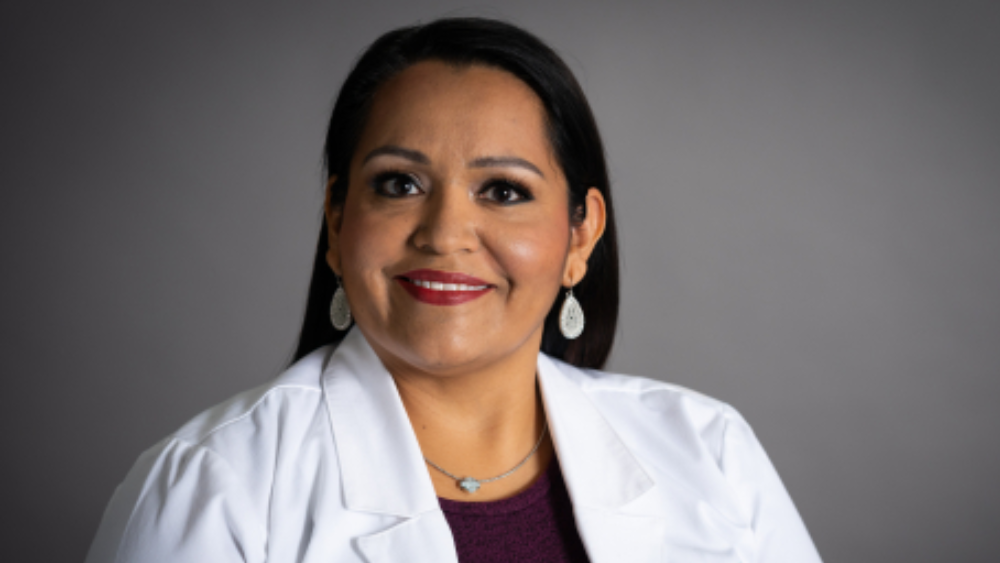
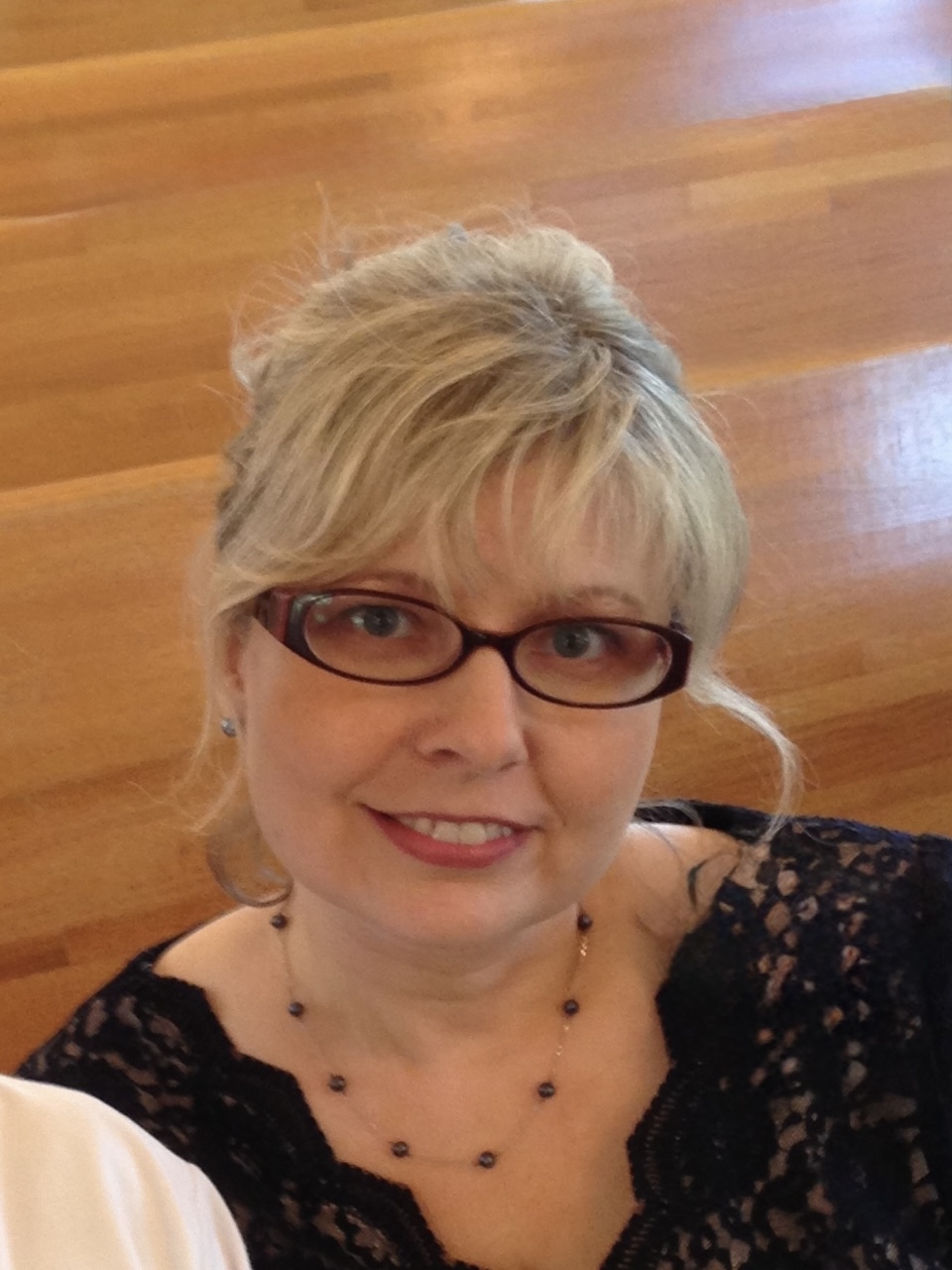
For #healthynurse Kelly Grimm, BSN, RN, CCM, CMCN, a healthy weight is about much more than the numbers on a scale. Over the course of her 31-year nursing career, Grimm has coached patients to adopt healthier habits so they can enjoy a better quality of life.
“I’ve always felt inspired to help others reach their wellness goals and feel their best,” she says. “It’s a topic near and dear to my heart.”
And, just like the patients she works with, Grimm has faced ups and downs in her own health journey. “At times, it’s easier to ‘talk the talk’ than it is to ‘walk the walk,’” she admits.
The sedentary job, getting older, and a changing metabolism — they all combined into this weight roadblock I just couldn’t get past.
Life Circumstances Lead to Weight Gain
According to Grimm, her weight challenges began after the birth of her youngest child 15 years ago. “I was always a fairly small person, but after I had my son, my weight just kept creeping up,” she recalls.
Grimm’s nursing role at Humana allows her to work from home, a factor that also contributed to weight gain. “When you sit at a desk all day, and you have easy access to quick snacks from the fridge or pantry, it can really work against you,” she says.
Finally, Grimm notes that perimenopause was the last straw in her weight struggle. “The sedentary job, getting older, and a changing metabolism — they all combined into this weight roadblock I just couldn’t get past,” she says.
When Diet and Exercise Don’t Make a Dent
In 2020, during the COVID-19 pandemic, Grimm made the best of the months of quarantine and focused on her health.
“I focused on eating better and exercising, and I lost 30 pounds,” she says. “But then, when life went back to normal, I started slipping into old habits.”
By the end of 2024, Grimm discovered she had gained 40 pounds, and nothing she tried helped her lose the extra weight. “I was feeling uncomfortable in my own skin,” she recalls. “The diet and exercise weren’t working anymore, so I knew I had to do something different.”
Prescription Weight Loss Medication Delivers Results
Frustrated with her lack of progress, Grimm sought help from her physician.
“Thankfully, my physician knew how hard I’d been working to achieve a healthy weight,” she says. “She told me that hormone changes during perimenopause make it very difficult. When she asked me if I was interested in adding medication to my regimen, I said yes.”
Grimm’s doctor prescribed tirzepatide, a GLP-1 agonist. The medication mimics a hormone in the body that decreases appetite and slows digestion, helping people feel fuller longer.
“I noticed right away that I wasn’t thinking about food as often,” Grimm says. “That enabled me to be more mindful about what I ate, and less prone to snacking.”
One year later, at the end of 2025, Grimm weighed 40 pounds less. “I feel so much better,” she says.
I have to stay committed to exercising and eating well. The medication is just one part of an overall lifestyle change.
Medication Plus a Healthy Lifestyle for the Win
For Grimm, medication helped kickstart her weight loss, but it wasn’t the only factor in her success. “It doesn’t magically work all by itself,” she says. “I have to stay committed to exercising and eating well. The medication is just one part of an overall lifestyle change.”
Grimm follows a vegetarian diet, filled with a variety of fruits and vegetables. She also focuses on physical movement every day.
“I bought an under-desk bike, and that helps me stay active even when my schedule is packed with meetings,” she says.
As a well-being champion at Humana, Grimm also participates in workplace wellness challenges and team activities focused on health. “Sometimes, we’ll take ‘walking meetings’ where we call in while we’re on a walk,” she says. “Our work culture really embraces incorporating fitness and movement into our day, so we’re not sitting at our desk all the time.”
Staying on Track and Rewarding Progress
Grimm says there are two keys to her ongoing success: tracking her weight and healthy rewards.
“I am a person who has to weigh myself consistently and track the numbers on the scale,” she says. “That’s how I know if I need to make changes to my diet or exercise routine.”
She also prioritizes rewarding herself for her achievements. “I feel this is so important for anyone working toward a goal,” she says. “Even a small reward reinforces the work we’re doing to change our lives.”
Grimm’s favorite rewards include booking herself a massage, spending an afternoon reading a good book, and shopping. “The reward doesn’t have to cost a lot of money,” she says. “It just has to be something you look forward to and enjoy.”
Family and What Matters Most
The biggest motivators for Grimm to focus on her health are her eight grandchildren. “I want to get down on the floor and play with them,” she says. “I don’t want to be a grandma who can’t engage and make fun memories.”
At the end of the day, Grimm says finding balance in life is what matters the most. “Life gets so busy, and it’s easy for nurses to focus on others and forget about themselves,” she says. “But if we don’t care for ourselves, we can’t be our best for our family, our work, or anything else. We have to find that balance.”
Kelly Grimm, BSN, RN, CCM, CMCN, is a registered nurse at Humana and a member of the Pennsylvania State Nurses Foundation